A beginner’s guide to snorkeling Nova Scotia’s South Shore
Cold water, clear shallows, and an entire world hiding in the kelp. Here is everything to know before your first swim.
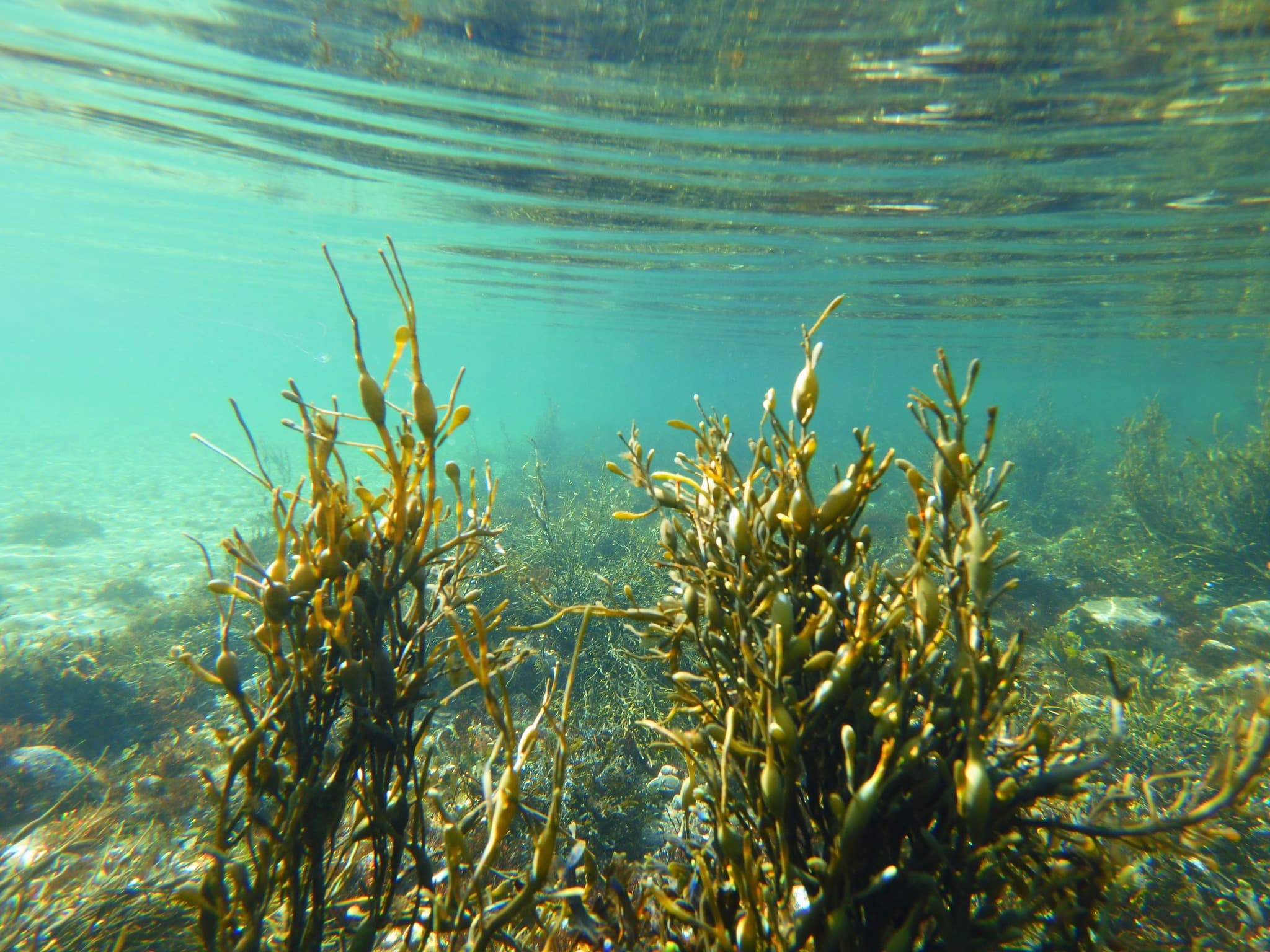
The first surprise is not the cold. It is how quickly the noise of shore disappears once your face meets the water.
Nova Scotia’s South Shore has several sheltered pockets of Atlantic water along its granite shoreline. Ledges slope into sandy shallows, rockweed sways at the surface, and the day’s route can be adapted to suit both confident swimmers and people trying a mask and snorkel for the first time.
01 · First things first
You do not have to be an expert swimmer
You should be comfortable in the water, but snorkeling is more about slowing down than covering distance. A well-fitted wetsuit adds warmth and buoyancy. Fins make each kick efficient. Your guide stays beside you, sets an easy pace, and chooses the route according to the day’s conditions.
“There is no prize for going far. The best sightings often happen in water shallow enough to stand in.”
Abby Grigg, your guide
02 · What to wear
Dress for the Atlantic, not the air
Even on a warm summer afternoon, the ocean remains cool. The right exposure gear makes that feel invigorating rather than distracting. Tour equipment includes a wetsuit, mask, snorkel, fins, boots, and gloves selected for the conditions.
Bring these four things
- A swimsuit to wear under your wetsuit
- A warm layer and windproof jacket for afterward
- A towel and dry change of clothes
- Water, a snack, and reef-safe sunscreen
03 · What you might see
Look closely. The cove rewards patience.
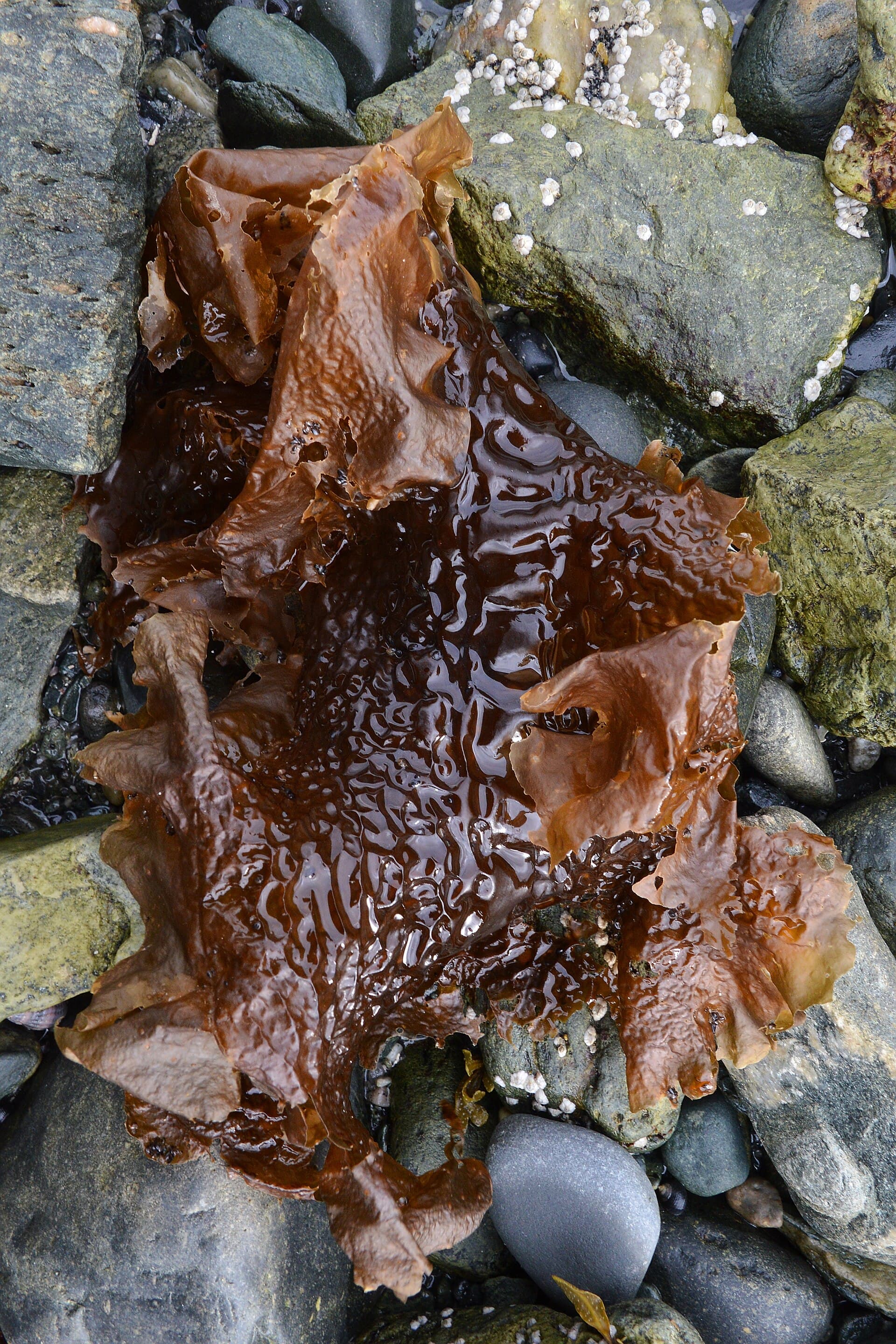
A quick glance reveals rocks and seaweed. A slower one reveals movement everywhere: cunner slipping through the kelp, green crabs tucked beneath ledges, urchins grazing over stone, and flashes of silver from schooling fish. Seals sometimes pass outside the cove, though every swim writes its own species list.
Nothing is chased or handled. We float, watch, and let the wildlife decide how close it wants to be. That quiet approach tends to produce the best encounters anyway.
04 · Your first swim
Start small and let curiosity take over
On shore, you will get comfortable with the gear and learn a few simple signals. In the shallows, there is time to adjust your mask, practise breathing, and find a relaxed floating position. Only then does the group follow the granite edge into the cove.
Most first-time nerves soften within a few minutes. The water carries your weight, your breathing settles into a rhythm, and the shoreline you thought you knew becomes a completely new landscape. That is the whole point: not to conquer the Atlantic, but to meet it on gentler terms.
Ready for the real thing?
Your cove swim starts here.